
SWR and Sony pioneer multi-camera virtual production
In collaboration with Sony, SWR is exploring new virtual production technology with a pen-and-paper production format on Twitch
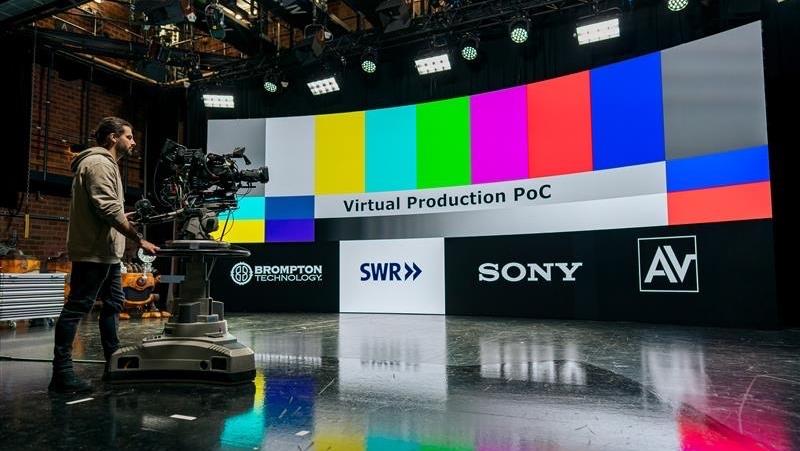
German broadcaster SWR has launched its Virtual Production innovation project with a three-month trial run. Using a large Sony Verona LED wall, the team is creating live virtual worlds. Presenters, hosts and actors perform in front of digital backdrops that are synchronised with the cameras, producing realistic scenes without post-production.
The test focuses on an interactive pen-and-paper show, created in collaboration with the production company Midflight Productions. In this format, a game master guides players through the story and describes locations, events and characters, while players take on invented roles.
From 24–25 October 2025, the studio will become a dystopian world for four hours each evening. Hauke Gerdes, a leading figure in the German pen‑and‑paper scene, will guide streamers and creators on a search for clues. The show will be broadcast live on Twitch, letting viewers join the adventure as it unfolds.
For the first time, a multi-camera production with three tracked cameras is being implemented live in virtual production. To display the virtual backgrounds, SWR is relying on a modern Crystal LED Verona wall, first used in WWE’s US facility. This is combined with Sony’s Ocellus tracking system, developed specifically for augmented reality. The six virtual sets used during the pen-and-paper investigation have also been created in advance using the Unreal Engine real-time graphics system.
With this project, SWR is evaluating the role that virtual production can play in future in-house productions. The aim is to modernise public broadcasting through sustainable innovation in technology. Michael Eberhard, director of technology and production at SWR, concluded, saying: “Virtual production with multiple tracked cameras can be a real game changer for the media world in many ways: it gives us creative possibilities and makes us more efficient, flexible and economical. The technology can also open doors for collaboration in public broadcasting, making it a perfect fit for our times.”
Find out more at sony.net


