Australia implements social media ban for under 16s
The land down under is the first country to ban social media for users under 16 years old

|10.12.2025
3 min read
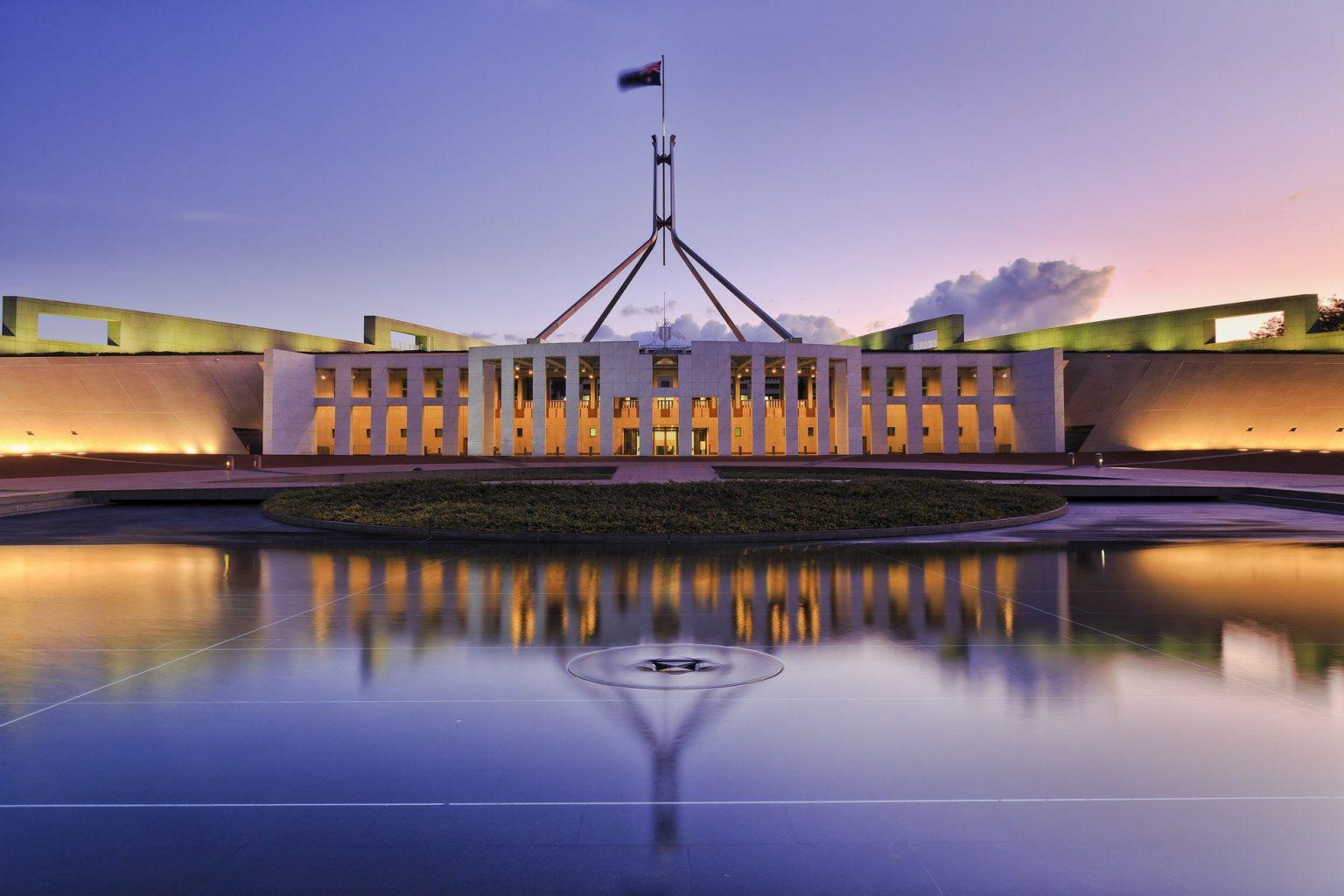
Today, Australia implements the world’s first country-wide social media ban for minors. The measure comes roughly one year after the Australian Parliament passed the Online Safety Amendment (also known as the Social Media Minimum Age Act), which cited cyberbullying and mental health risks as key threats to young social media users.
Any Australian under 16 years old will see their accounts deactivated across ten platforms to date: Facebook, Instagram, Snapchat, Threads, TikTok, X, YouTube, Kick, Reddit and Twitch, all of which share ‘online interaction’ as an essential feature. This list, however, isn’t fixed; Twitch was added only three weeks ago.
The onus falls on the platforms’ parent companies (Meta, Google and Snap Inc, for instance) to ban young users rather than penalising the users themselves (or their guardians). According to the law, these corporations may face maximum fines of $49.5 million Australian dollars (£24.5 million) for failing to enforce age-related restrictions. As of 4 December, Meta had already begun removing users from Facebook, Instagram and Threads, while Snap Inc has allowed minors to temporarily deactivate their accounts until they turn 16.
The Australian government hasn’t offered any unified approach to age verification. Instead, companies may select their preferred method, such as requiring identity documents or using facial age estimation software – both of which invite privacy concerns. But children and teens can be clever, and the government expects them to find ways around the ban. Teens have thus far been flocking to apps that aren’t yet on Australia’s hit list, such as Lemon8 (owned by ByteDance) and Yope, a friends-only photo-sharing app.
While many global governments have enacted measures to curb young people’s social media use – such as banning smartphones in schools, which has already taken effect in 18 US states – Australia is the first nation to take such a drastic approach. Countries like Denmark, Norway and Malaysia seem to be following in its footsteps, proposing social media bans for those under 15 or, in Malaysia’s case, 16 years old. And in the UK, thanks to the Online Safety Act, social media platforms must protect children from harm – or face a lofty fee.
The Australian ban, while comprehensive, fails to mention online gaming platforms like Fortnite or Roblox, which also thrive on user interaction – often between adults and minors. In the US, these games are now infamous for enabling child endangerment, with predators posing as friendly strangers. It’s possible these platforms will join the banned list but, as of now, they’re relatively unregulated.
In young people, social media has been associated with everything from eating disorders and attention difficulties to sexual assault and self-harm. It’s also been linked to feelings of loneliness, anxiety and depression. Many platforms include addictive features to encourage mindless scrolling; as of 2024, American teenagers spent nearly five hours on social media every day, on average.
The potential harm is indisputable, but social media comes with its benefits, too. For many, it fosters community and connection and allows young people to stay informed of global events. It need not be such a lawless land, but as of today, the jury’s officially out on whether Australia’s sweeping approach is the answer.
For more articles, make sure to check out our December Signal!
Share this story


