
Esports World Cup: The technological vanguard of esports production
With three million people in attendance across seven weeks and 340 million hours of viewing time recorded, the recent staging of the annual Esports World Cup in Riyadh, Saudi Arabia was a feat of esports production engineering
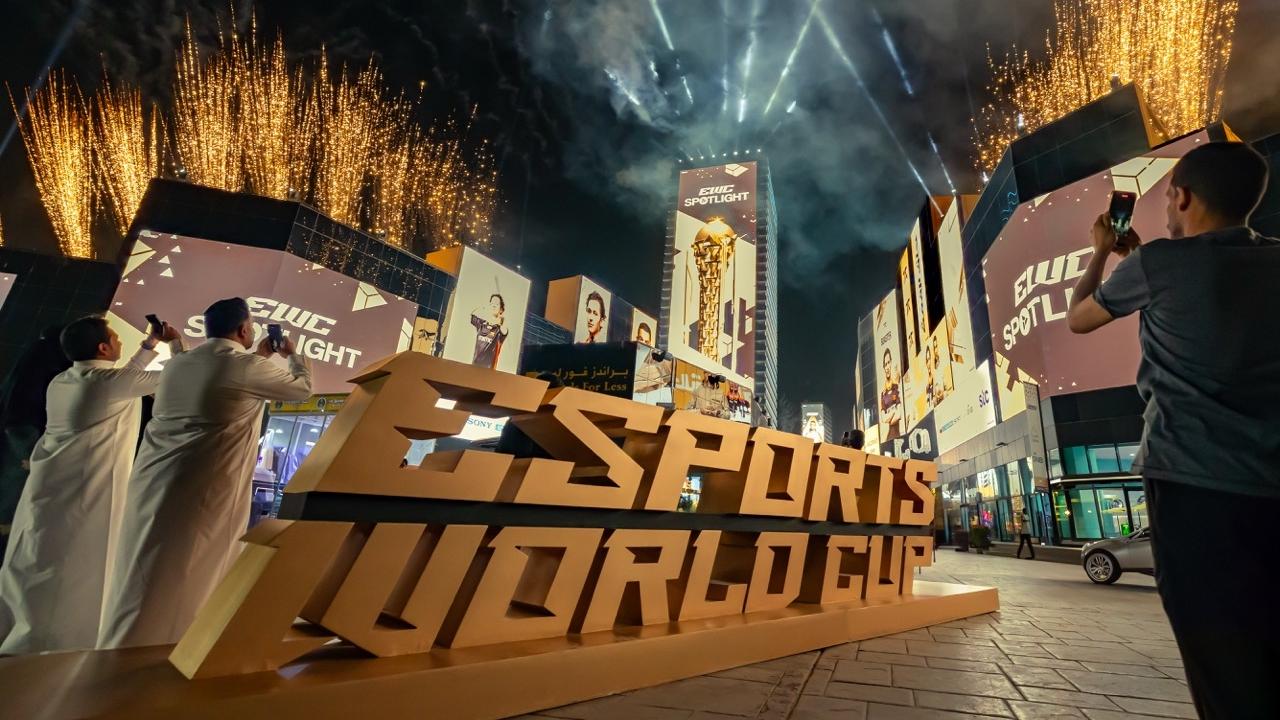
The Esports World Cup (EWC) is one of the largest gaming events in the world. Held annually in Riyadh, Saudi Arabia, the seven-week global gaming festival brings together the world’s leading esports teams and players to compete in elite competition across multiple game titles, in multiple venues.
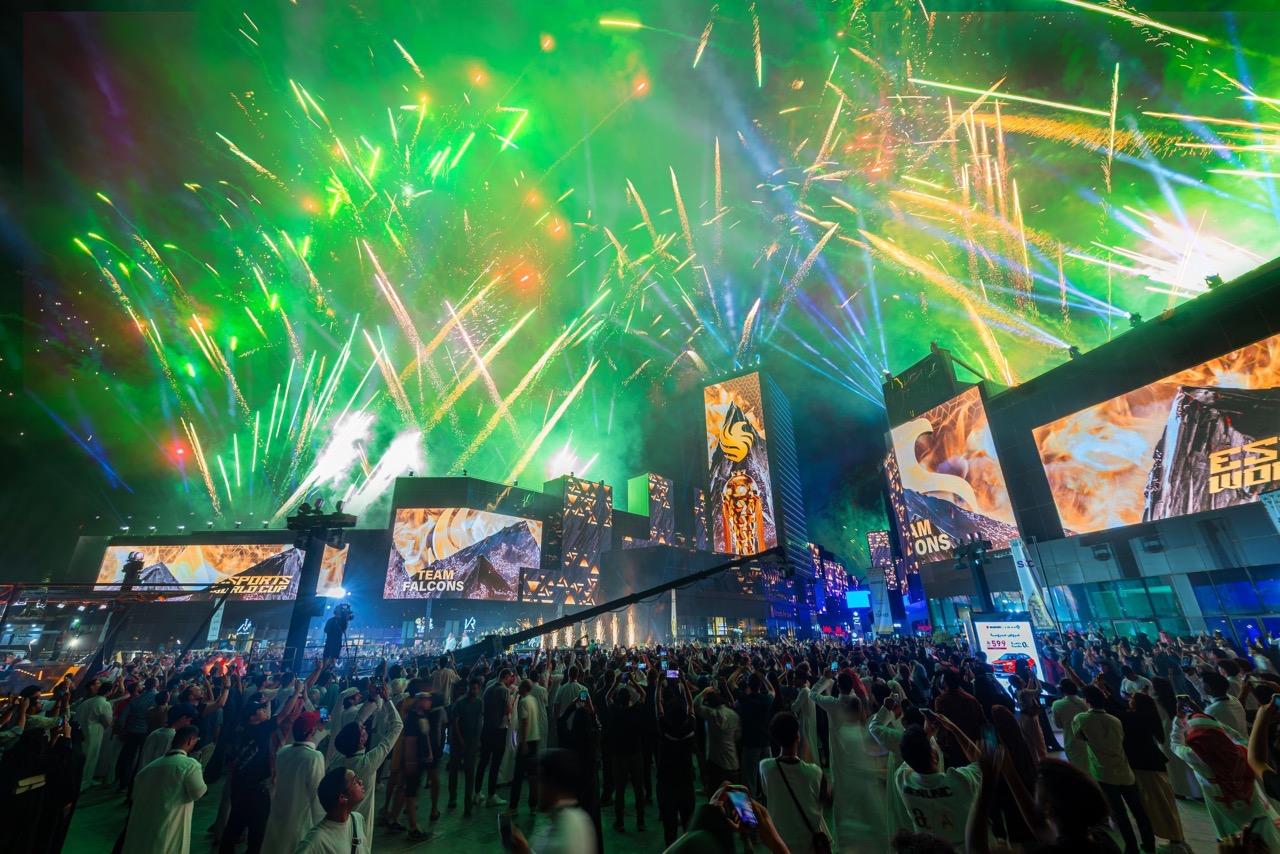
This year’s event took place from 7th July to 24th August when more than 2500 players and 200 clubs from more than 80 countries competed in 25 tournaments across 24 different game titles for a total prize pool of around $70 million. Together with a large-scale festival component, the 2025 event attracted three million visitors from 66 countries across four esports arenas and eight festival venues within Riyadh’s Boulevard City. It drew online viewing figures of 340 million hours watched, which peaked at 7.5 million concurrent viewers for the League of Legends finals.
A festival of production
Alongside the elite-level tournaments, the sprawling EWC Festival brought together the global esports community in Riyadh’s Boulevard City, where thousands of gaming enthusiasts were treated to esports tournaments, live music, retro arcades, anime cafés, creator studios, and a variety of fan activations.
The entire festival production was operated by gaming and esports specialist Vanguard, which managed the technical design, broadcast infrastructure and live event delivery across the eight venues. And with so many different activations taking place in each venue, and the custom production requirements that come with them, planning proved to be a crucial part of the early process.
“The live event runs for seven weeks, but the preparatory and follow-up work is much longer,” explains Mohammed Nasser, head of live production at Vanguard. “Some elements are decided well in advance, such as the number of venues, but others – especially those tied to sponsors or publishers – might only be confirmed a few weeks before the event, so we’re constantly having to adjust right up to the start of the festival.”
The EWC Festival brought the global esports community together in Riyadh’s Boulevard City
Rising to the challenge
Even for a seasoned esports production specialist like Vanguard, the complexities presented by the EWC Festival, and the many moving parts involved, brought some unique challenges to the production.
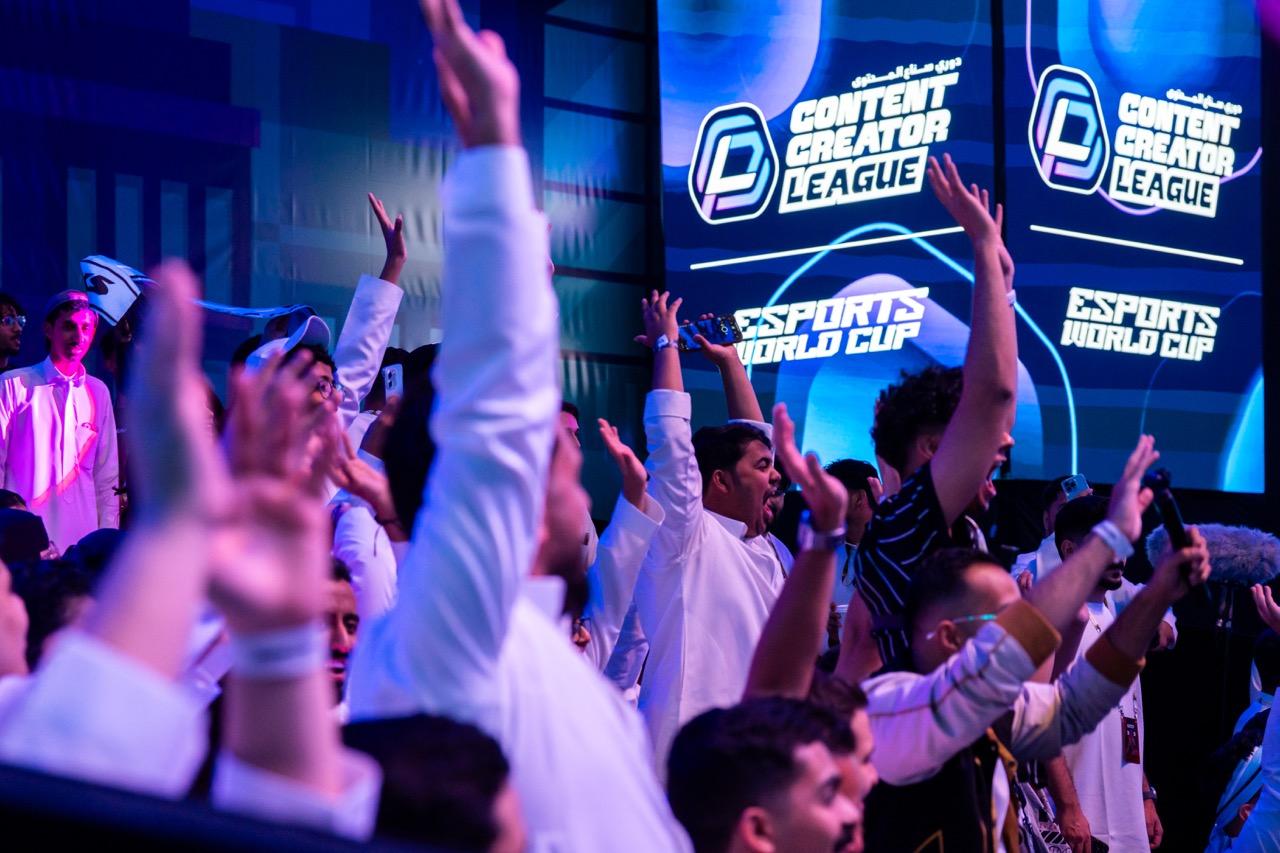
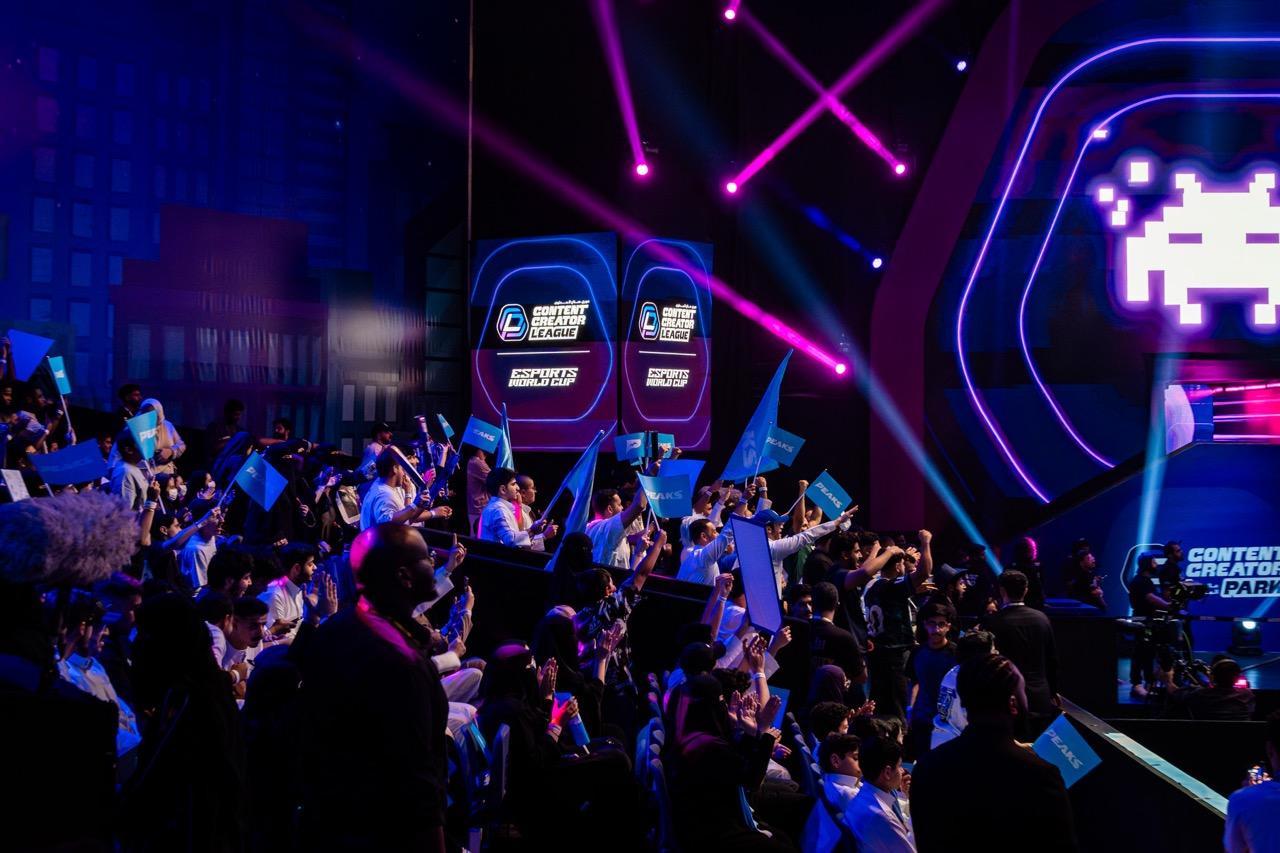
“We’ve been producing esports for years, so the game broadcasts themselves are familiar. What made this year unique was the addition of the Content Creator League: a live stage show with 20 well-known influencers competing in challenges. Unlike traditional esports, where the focus is on the game, the spotlight here was on the personalities,” he explains.
The main challenge, he says, was in producing a show that captured the energy, humour, and personalities of the creators while still delivering a polished live experience. This required a different approach to a standard esports broadcast.
“We built the Creator Park specifically for the Content Creator League, complete with a stage and a 600-seat theatre for a live audience, which was sold out every show,” he says.
The technical challenges were manifold. “First, the concept for the Creator League was only finalised about a month before, so we had to move fast. Broadcast equipment isn’t always readily available, and we wanted to purchase rather than rent as we’re investing in building our long-term assets.” Importing the equipment at short notice added logistical headaches with customs and shipping that the team was able to overcome.
“Secondly, we had to capture the energy of a live crowd and deliver it to viewers at home. That meant adding as many cameras as possible, carefully staging the venue, and coordinating with multiple stakeholders in a very tight timeframe.”
Another challenge was the location itself. “The festival takes place in Riyadh’s Boulevard City, which has major attractions running year-round,” he says. “That meant we couldn’t gain access to the event spaces in advance, so set-up had to happen just weeks before opening leaving very little margin for error.”
EWC Festival didn't come without some unique challenges
Broadcast systems, by design
This meant that flexibility and speed of set-up were essential to the successful delivery of the project. But so too was trust in the capabilities of the systems being deployed.
“Reliability and familiarity were non-negotiable, especially since we work with third-party crews during the EWC. Blackmagic Design has been central to our workflow for four years. For this show we used the ATEM 4 M/E Constellation 4K switcher and the Videohub 80×80 12G router. The scalability was crucial as we knew some shows would require more inputs and switching power, and the system gave us that headroom.”
“The biggest advantage is trust: Blackmagic equipment just works,” he continues. “Our team already knows it, visiting engineers know it, and we can integrate everything quickly without any retraining.”
Nasser recalls that the migration to Blackmagic systems some four years previous had enabled the team to significantly scale its operations. “As our workload grew, we needed more equipment but had to stay within budget,” he says. “Compared to other vendors, Blackmagic gave us more capability for the same spend, and that affordability allowed us to scale quickly without compromising on the quality of our output.
“For example, we started with the ATEM 2 M/E Advanced Panel, then upgraded to the ATEM 4 M/E as our needs grew. The transition was seamless because the ecosystem is consistent; all new equipment integrates with what we already own. Plus, local reseller support means we can source equipment quickly, often within a week or two, rather than having to wait, often, for months.”
That familiarity and reliability came to the fore in the unique circumstances of the EWC Festival. “The strength [of Blackmagic systems] is in the ecosystem: everything worked as we expected, which is so valuable for a production of this complexity,” Nasser explains. “For cameras, we relied on Blackmagic units across the board – 12 URSA Broadcast G2s, and 22 Blackmagic Micro Studio Camera 4K G2s – and their affordability meant we could add more without straining the budget. That enabled us to capture every moment, which was especially important with the content creators.”
Without any technical headaches to consider following a successful deployment process, Nasser’s thoughts are already firmly on the 2026 event and how the team can evolve the production. “We’ll build on the success of the Content Creator League by expanding the production value; so, better LED walls, improved audio and more ambitious staging. We’re well covered on the broadcast side of things with Blackmagic, so any upgrades will be more about show elements than core systems.”
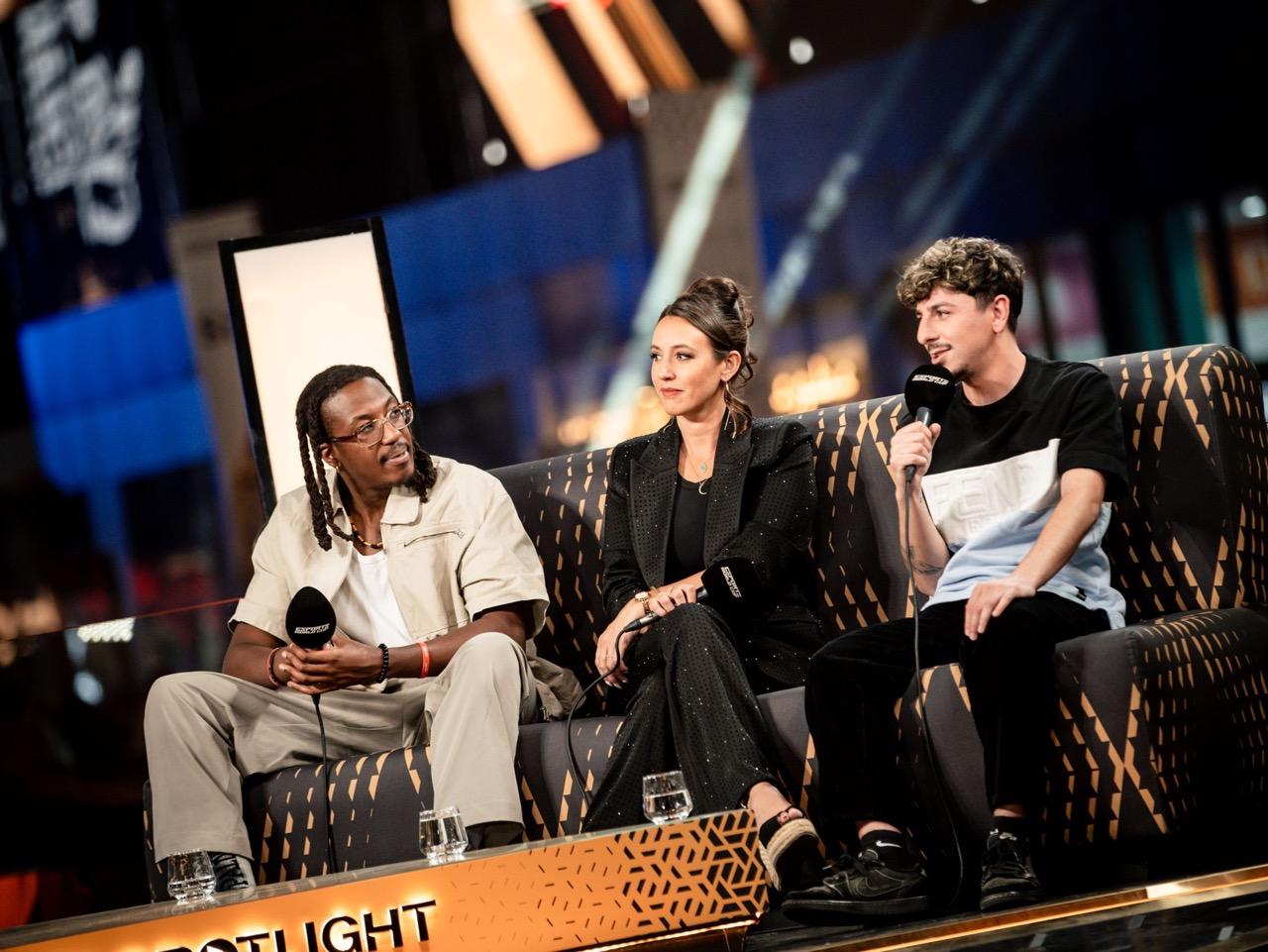
Blackmagic Design was central to the system's success
Shared ecosystems
With production systems from traditional broadcast manufacturers playing an increasingly influential role in esports production, does Nasser see any similarities in how esports and traditional live sports are being produced?
“There are similarities – the live competition, fans, players, commentators, etc – but there are also big differences,” he says. “In live sports, the camera is the only window into the action. In esports, the game itself is digital, so we need a separate ‘game broadcast’ layer, managed by game observers and directors, to show the right perspectives.”
A significant departure from live sports coverage are the custom production requirements for each game. “Each game is different. One week it’s EA Sports FC 25 (two players), the next it’s PUBG (64 players), then Rocket League or Rainbow Six. Every title demands a new set-up: different cameras, formats, and player coverage. We also integrate POV cameras, comms, and overlays so the audience sees both the gameplay and the human reactions.
“That level of integration, across so many games, is where esports diverges most from traditional sports, and why flexible, reliable broadcast systems are critical.”
Flexible and reliable broadcast is essential for esports
Meeting future challenges
The convergence of production technologies and techniques between the two areas will be an interesting dynamic to observe into the future, but we can predict with some confidence that agile, trustworthy, and affordable broadcast systems are going to be a key enabler in the evolution of esports and live sports production.
As both areas continue to mature, Naseer predicts that production automation and viewer control will be two key areas of growth in the esports world. “Automation will almost certainly play a bigger role in reducing manual tasks and giving directors more creative freedom,” he suggests. “I also think that we’ll see more interactivity with audiences able to choose which player or team’s perspective they want to follow, or even switch between feeds on demand. That kind of personalised experience, which we’re seeing to some degree in live sports, feels like the natural next step.”
The next step for Naseer and his Vanguard team is returning to a busy schedule of esports productions. The company has recently announced a three-year partnership with Riot Games to operate the Arabian League and VALORANT Challengers League MENA, as well as a strategic memorandum of understanding with the Saudi Esports Federation to collaborate on Saudi Arabia’s National Gaming & Esports Strategy.
Discussions about the 2026 iteration of the Esports World Cup Festival are already underway, and while some of the crucial organisational details won’t be known until much nearer the event, Naseer and his team know that they are fully equipped with the most agile, reliable, and scalable broadcast production tools available to meet any challenge.
Share this story


