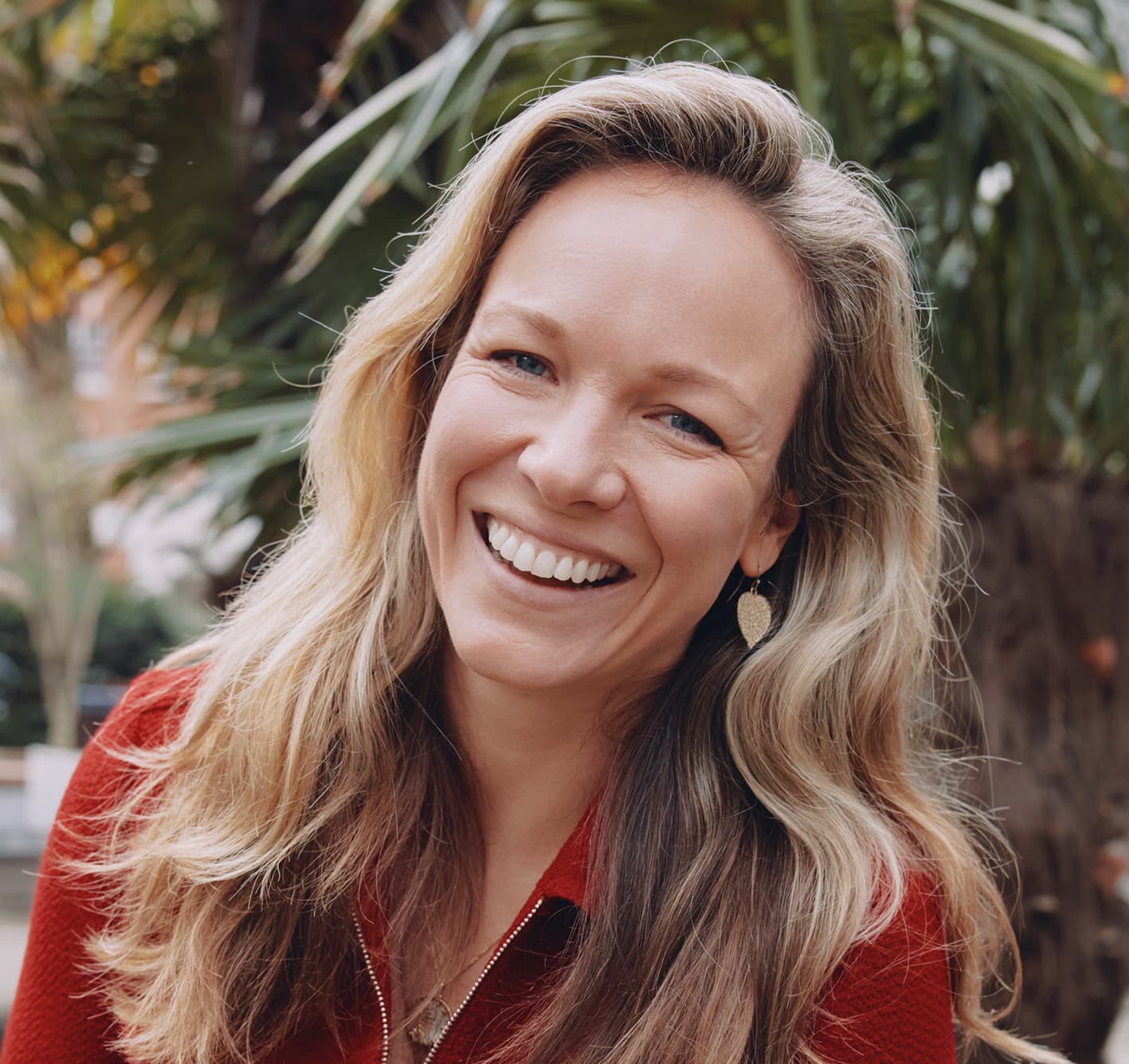
IBC keynote Eline van der Velden on creating AI actor Tilly Norwood
Eline van der Velden sits down with FEED to discuss creating AI actor Tilly Norwood, navigating industry outcry and why she believes artificial intelligence will transform, not replace, the creative industries.
Words by Oliver Webb
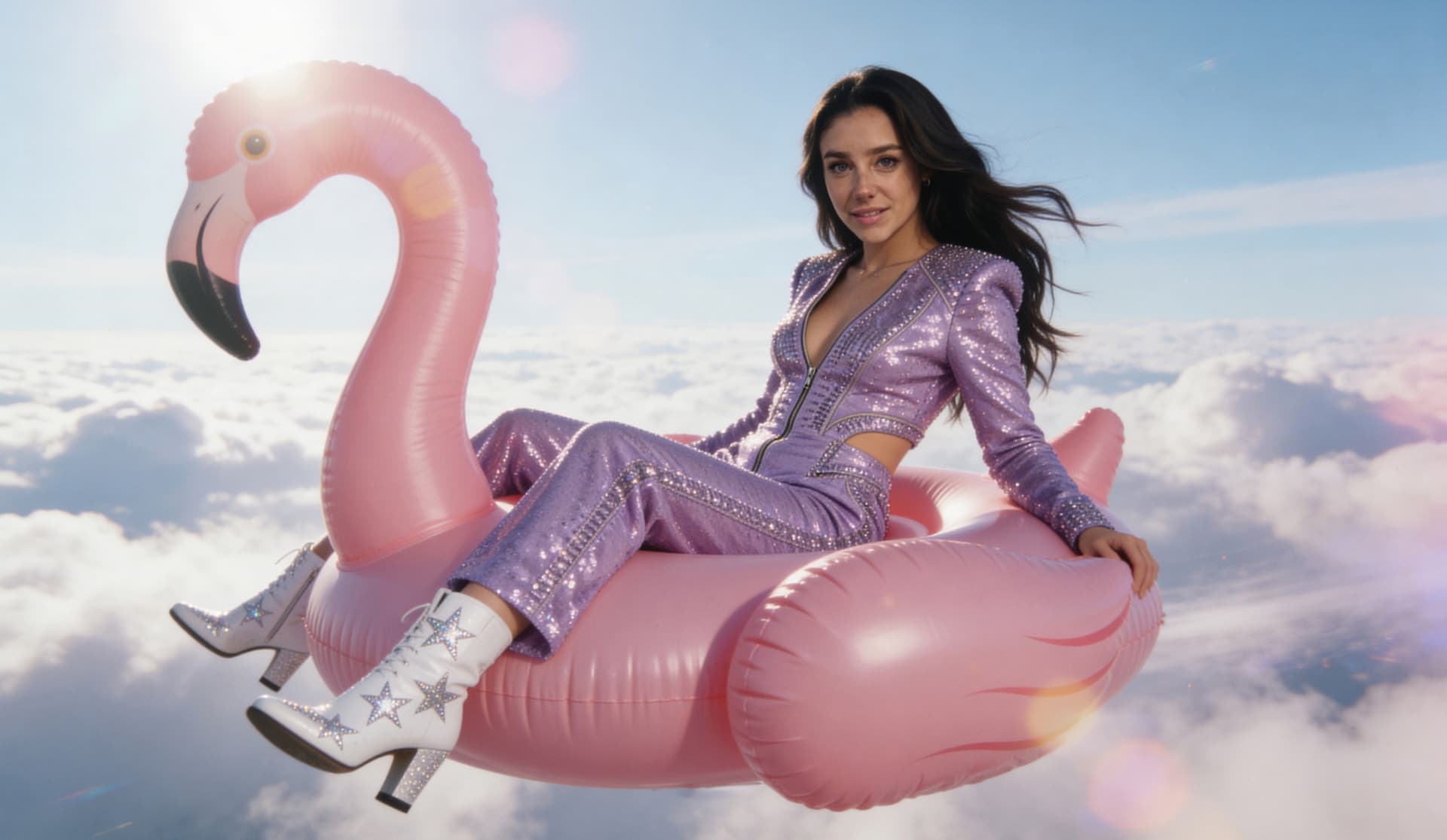
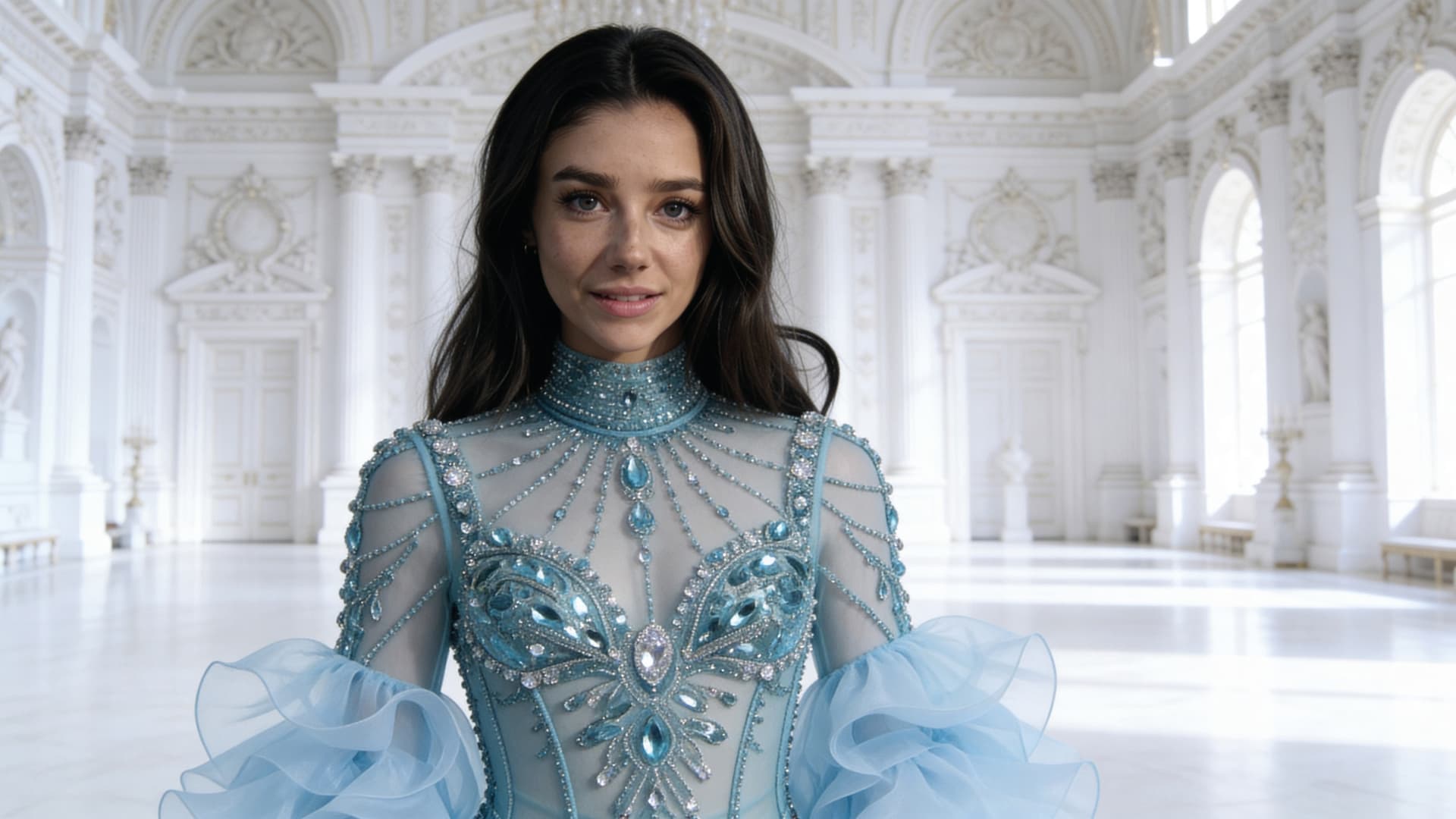
Last year, you might have seen clips making the rounds of up-and-coming actor Tilly Norwood. She seemed to appear out of nowhere, quickly becoming an online sensation. You are forgiven, however, if you’ve never seen her work before because, well… Tilly Norwood doesn’t exist.
Norwood is the creation of Particle6, an AI production studio that combines AI workflows with traditional filmmaking to produce video, film and TV content. The AI actor was ultimately met with widespread backlash. The SAG-AFTRA union released a statement condemning Norwood’s creators, and actors including Natasha Lyonne, Emily Blunt and Mara Wilson expressed their concerns. Norwood has since attracted interest from talent agencies, and she has even released a music video.
Particle6 was founded by CEO Eline van der Velden. She began her career as a performer, starring in the 2014 film Flying Home alongside Jamie Dornan and BBC Three comedy series Miss Holland. The company, originally called Particle Productions, took off alongside Van der Velden’s acting career. “Four years ago, I decided to convert the company into an AI production studio because I saw where things were going,” she begins.
Artificial actors
Van der Velden argues Particle6 has been at the forefront of learning new technologies as they develop. “We’re ready for this transition,” she says. “I believe we’re going through a new industrial revolution. The best way to survive in that is to lean forward and to upskill and retool as many people as possible.”
Van der Velden admits that she has the same concerns and fears about AI as everyone else, but she suggests that keeping one foot inside the tech industry allows her to stay ahead of the game. “People hadn’t seen any AI influencers before, and so Tilly was a way for me to showcase to everybody that this is coming,” she says. “I wanted that change to come from within the creative industries, as opposed to being imposed by the tech industry, so I’m really happy for Tilly to have created that backlash in order to move the conversation forward.”
While Van der Velden argues that preparation for AI is necessary, many actors remain unconvinced by the argument. She maintains that Norwood is not intended to replace performers but to demonstrate what is possible. “I’m in control of what Tilly does,” she says. “We will be using her in AI productions, but not to replace the real. I see it more as animation – it’s a new medium.”
Van der Velden thinks one solution is actors protecting themselves by owning their digital twin, although having to resort to this isn’t exactly reassuring for performers.
“Actors need to be prepared to do motion capture and license out their digital avatar to productions to be ready for what’s coming,” she says. “I can’t say it’s absolutely not going to change the industry, it’s up to the future to decide, but I think there will be AI feature films and TV series.”
Creative clients
There is, however, a misconception that Particle6 is just Tilly Norwood, and Van der Velden highlights that the company is still also very much involved in film, TV and ads. Furthermore, the company itself consists of numerous departments to balance the wide range of workloads.
“We are creating brand ambassadors for lots of clients,” she says. “Again, we’re using loads of humans to do the creative work behind it, so there are brains that can prompt and decide on characters and personality. We even have a head of character, among other new and exciting creative jobs. I see AI being like a creative calculator. It’s your creativity and the machine working together.”
Van der Velden says a number of high-profile companies are working with Particle6, which retains a huge client list from across film, TV, brands, ad agencies and marketing.
She also points to the wider benefits for brands, such as faster turnarounds, reduced carbon footprints and being able to expand creative possibilities. “If you want an animal in the snow, for example, you don’t have to fly to Lapland with the whole crew to do that,” she says.
According to Van der Velden, there are lots of brands out there that have seen a positive response from AI. “It’s about being prepared, knowing your customer and knowing whether they care about how the story is told.” She stresses that staying ahead of the curve is vital if companies are to adapt. “You really need the analytical brain and the creative brain to be working at the same time, because there are automations that will start to come into place as the system evolves. You’re starting to see this in China, where they can create scenes at the push of a button. It’s going to evolve fast, but I think human creativity is the most important.”
Van der Velden argues that understanding how to use AI is vital. “You should get yourself ready for this new wave, where you will only have a job if you know how to use AI to do it,” she says. “That’s the most important thing for the next ten years.” The biggest misconception about AI, she argues, is that it will take everyone’s jobs. “We’re realising that, while you can sit behind your laptop and make a whole film by yourself, you still need a range of departments to create a premium product.
“There are so many levels of expertise where you need humans and human creativity working alongside the AI in order to create the best possible outcome. Fortunately, we have been allowed to experiment in this space longer than other people.”
Ethical framework
Several years ago, a digital recreation of actor James Dean was announced to star in a film about the Vietnam War. The production company behind the project was met with widespread outrage, and the film ultimately ended up being cancelled. While the idea was rejected at the time, it now looks increasingly like something we can expect to see more of in the future. Van der Velden suggests that in cases like this, it’s all about the ethical framework.
“At Particle6, we have really clear guidelines in place for the whole team as to what we think is acceptable,” she says. “If we were working with an estate, we would need explicit consent and compensation in order to work with them.
“Ideally, we would also want consent from the person before they passed away, but obviously that isn’t possible in a case like the James Dean film. I do think there will be hype about bringing people back from the dead in the coming years, but I think experimentation should be encouraged.”
While AI continues to open up creative possibilities, there are still many concerns about whether or not the technology will end up replacing performers. What will ultimately be gained from resurrecting actors from the past, and is this actually what audiences want?
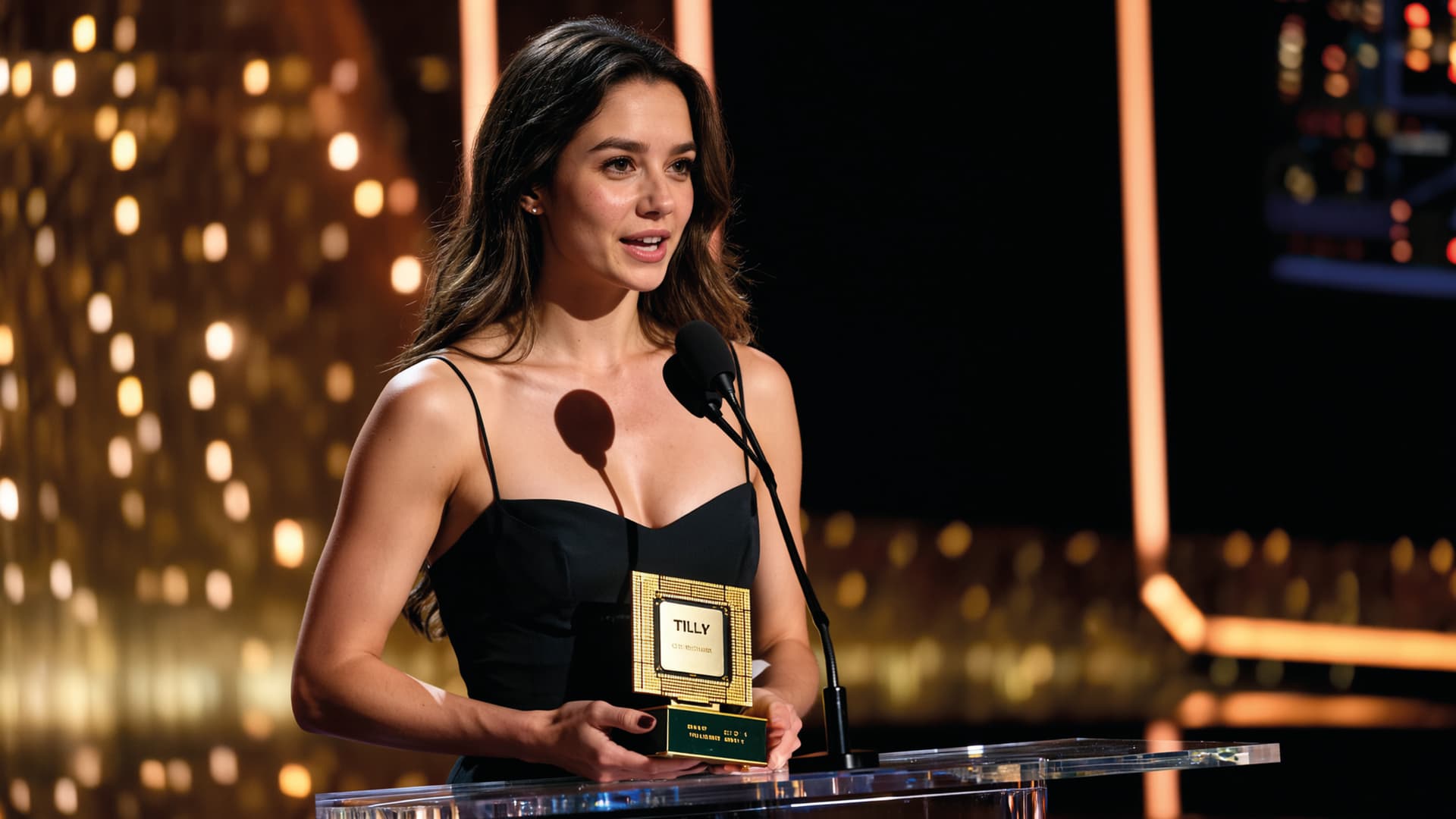
Being a fan of James Dean myself, I admit that the possibility of seeing him grace the big screen once again is exciting. However, seeing Dean (who was a well-known pacifist) being resurrected to star in a war film (a war that began after his death, no less) just feels inherently wrong.
Although there are no current plans for Particle6 to bring back any stars, they are currently developing an interactive version of Norwood. The plan is to debut her on stage at IBC alongside Van der Velden, where the pair will be discussing how creative industries can embrace AI.
“This is the future,” says Van der Velden. “Brands will be able to create their own AI brand ambassadors that represent them and even speak at live events.”
Actor, musician and now brand ambassador. Is there anything Tilly Norwood can’t do? If there’s one thing she’s proving through all the negative criticism, it’s that talent means very little without a human touch – a quality the world could use a lot more of right now.
This article appeared in our IBC 2026 issue


