
Gamification in sports: The future of fan engagement
Watching sport is no longer enough – as streaming and short-form content grow, gamification is essential to keep fans engaged

|09.02.2026
4 min read
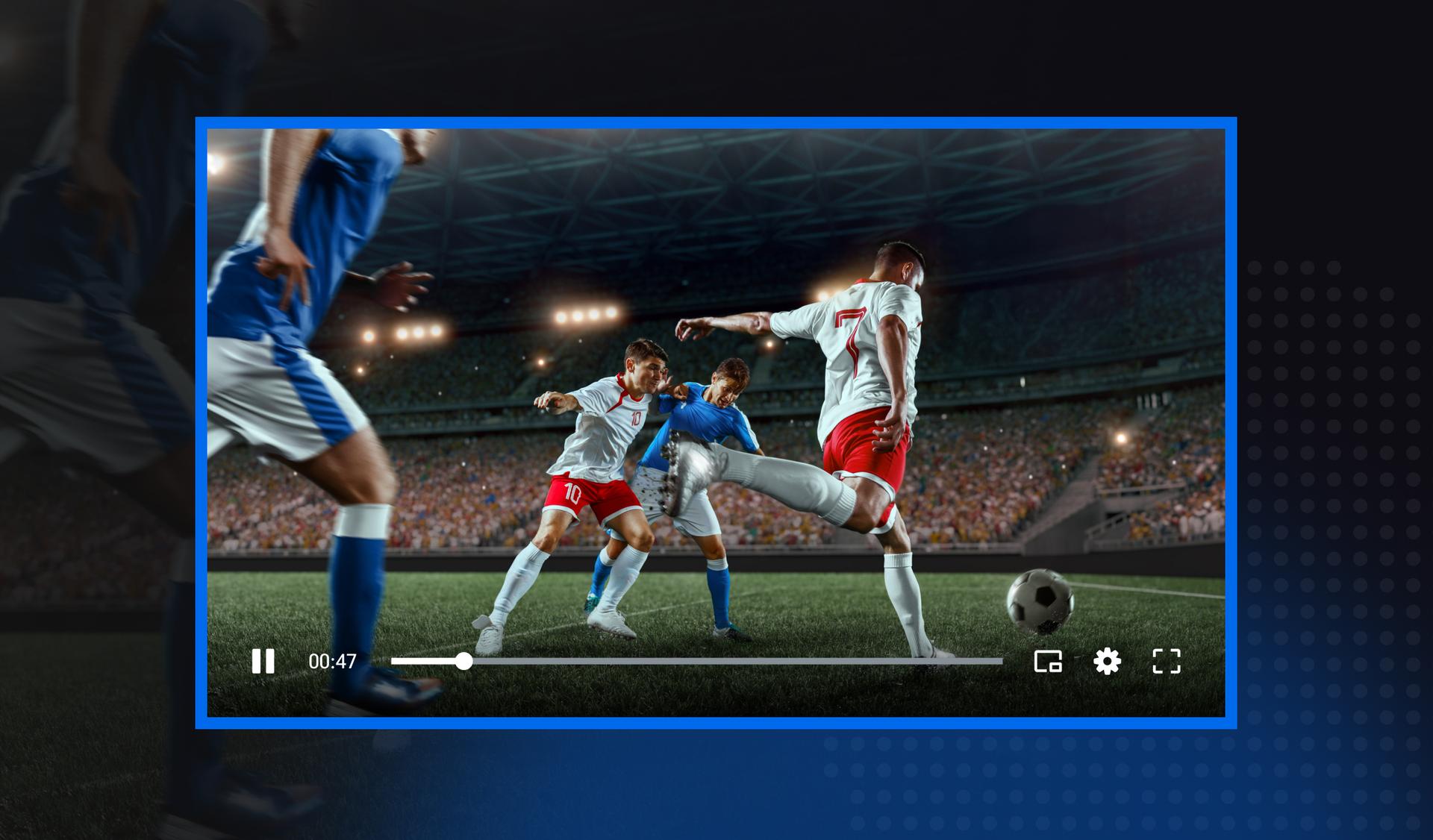
Traditional ways of watching sport are not captivating audiences as they once did. Engaging a new generation has become an increasing challenge. Gamification and apps such as Wimbledon’s Match Chat, which was introduced in 2025, are changing how audiences consume sport.
Gamification extends beyond how athletes play to how fans engage with sports. By integrating game mechanics into the fan experience, it increases enjoyment, builds inclusive communities and attracts younger, more tech-savvy audiences.
Using elements such as points, leaderboards, badges and rewards, sports gamification deepens fan engagement and strengthens the connection between fans and the sport itself.
Changing habits
Sports consumption habits are changing, even before gamification is added into the mix. “Demand for streamed sports content is growing. Fans increasingly expect interactive and personalised sports experiences,” begins Jacob Arends, senior product manager in playback and AI at Bitmovin.
Sports fans, in particular those from younger demographics, are turning to social media for vertical highlights and short-form sports-related content. “Live sports content is, for all intents and purposes, long-form content. So, in light of changing viewing habits, maintaining consistent engagement has become increasingly challenging,” says Arends.
As a result, sports rights holders and service providers are continually seeking innovative ways to keep sports fans engaged as well as attract and hold younger fans’s attention. “Gamification is all about increasing engagement and keeping eyeballs inside your own platform,” adds Arends.
“It lets platforms create a more interactive viewing experience during sports events with features such as in-game predictions, polls, quizzes, challenges and badges.”
Additionally, Arends notes that gamification is being used as an effective strategy to increase engagement and boost fan loyalty outside of the main sports event with the likes of fantasy leagues or predictions, which create viewer investment pre-game as a business priority. Fantasy Premier League is becoming more popular in the UK and, as I’ve personally noticed, some users even compete against friends despite not being football fans.
Apps and players
Gamification sporting apps use game-like elements to make watching and following sports more engaging and fun. Instead of just consuming scores or highlights, users can participate.
Last year, Wimbledon introduced Match Chat to help fans dive deeper into live matches. Developed by IBM and Wimbledon using Watsonx Orchestrate, Match Chat is an AI-powered assistant capable of answering a wide range of questions. The chat offers suggested prompts and users can then ask about anything related to a match, such as stats or scores.
Elsewhere, LFP Media are using the Bitmovin Player to power seamless, high-quality video streams for its direct-to-consumer (DTC) mobile apps. Fans can experience highlights of French Ligue 1 and Ligue 2, as well as stay up to date with the latest news. Arends explains it chose Bitmovin because of the Bitmovin Player’s fast time to market and flawless playback on most devices.
“The Bitmovin Player’s support of React Native let LFP Media reduce the mobile development overhead and get up and running in just three weeks,” says Arends. “It also helps LFP create a consistently high-quality experience for sports fans across more devices.”
In terms of gamification, the Bitmovin Player provides a flexible UI framework and APIs that enable LFP Media easily integrate overlays for gamified features. “By building this ability into the Bitmovin Player, we are enabling not only sports services, but also entertainment providers to easily add on things like polls and interactive ad experiences.”
Gamification has changed the sports industry by making experiences more interactive and engaging for both athletes and fans. By adding game-like elements, sports are more fun and motivating to participate in and watch. As technology continues to evolve, gamification will play an increasingly central role in shaping the future of sports.
“Gamification as a monetisation strategy is also playing out, with fantasy platforms driving additional DTC content and channels for new opportunities to monetise,” concludes Arends. “For sports rights holders looking for new ways to engage fans and improve revenue opportunities for advertisers, gamification is a powerful tool.”
Share this story


